10 Factors To Know Regarding Over Ear Headphones Noise Cancelling You Didn't Learn At School


How Noise Cancelling Headphones Improve Your Listening Experience
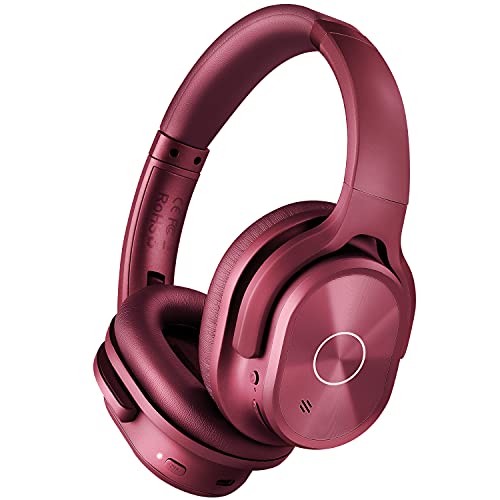
Noise-canceling headphones create a sonic barrier between your ears and ambient noise. They are great for plane rides and commutes, but they can also improve productivity at work or the comfort of your home office.
They employ internal microphones to listen for ambient sounds and later electronically generate anti-sound waves. This technology is most effective with low, harmonic sounds such as jet engines or fan but is not able to handle loud office noises, irregular office noises, and higher frequencies.
How It Works
When sound waves pass through your ears, they vibrate the eardrums, resulting in the sound you hear. Noise cancelling headphones function by emitting a sound that is 180 degrees out of phase with the background sounds, thereby canceling them out. They also make use of electronics to create an isolated listening zone so that you can fully enjoy your music.
There are two kinds of headphones that feature active noise cancellation technology: passive and adaptive. Passive noise cancellation uses padding to block out sounds from outside while adaptive technology adjusts digitally to the surrounding. Adaptive noise cancellation is more advanced than passive noise cancellation and offers a variety of options for listening, allowing you to choose the amount of external sounds you want to hear.
With ANC, miniature microphones located in the earcups and earbuds monitor the audio you listen to as well as any other sound that you're in contact with. The ANC chipset focuses on the frequencies of the audio signals, and then generates an inverted signal that cancels the original sound waves. Think of it as a sound-based version of the anti-ballistic missiles that are used in war movies.
There may be there is a delay between when you toggle on ANC and when you actually begin to hear its effect. That's the time it takes for the ANC to listen to the ambient sound, process it and produce its anti-sound waves. Higher-frequency waves are more difficult to counter than lower-frequency waves, and are particularly difficult to reverse when they reach your ears.
Although ANC is generally considered safe, some users report experiencing dizziness or vertigo while wearing headphones that feature this technology. It's not clear what causes this. One theory is that ANC's low-frequency sounds trick your brain into believing there's a shift in pressure, similar to the way some people feel on airplanes.
The extra electronics in ANC can cause discomfort, since they can drain your battery. This is why it's always a good idea to bring along an extra set of batteries for your headphones, and wear them only when necessary. This will also decrease the risk of hearing loss from long-term usage of headphones with this feature.
Why best noise cancelling over ear headphones -canceling headphones provide an audio buffer between you and the outside world creating a tiny island of peace where only you hear the music you select. They make use of microphones that listen to and analyze the sounds around you. Then they create electronically opposite sound waves in order to block out those sounds. This eliminates background noise, allowing you to focus on your work or rest on a plane or train, or simply relax at home.
The best headphones for over-ear use noise cancelling models are designed to have high-quality audio so that you can enjoy your favourite music or podcasts. This means that the bass, vocals, and other aspects of your music or audio are crystal clear. No matter if you're a bass-head or a classical music lover this is an excellent way to improve your listening experience. You'll be able clearly hear the lyrics and take in the intricate details of the melody and harmony.
Sleeping well is essential for well-being and health However, many people experience trouble sleeping due to outside noises. Over-ear headphones that block out noise can aid in sleeping better so that you can wake refreshed and ready for the next day.
Noise cancellation technology is becoming increasingly popular in wireless headphones, with passive and active models available. These headphones feature ear cups which wrap around the ears to form a sealed that blocks out noises. They typically employ noise-canceling algorithms to cut down on the amount of ambient sound you hear, and they come with high-quality audio codec support to ensure that your music or other audio is clear and crisp.
In addition to noise cancellation, certain headphones also have a mode that filters in ambient noise so that you can be aware of your surroundings without having to remove your headphones. This is great for commuters, or anyone who wants to be aware of their surroundings.
The Monoprice BT-600ANC are a pair of low-cost over-ear headphones featuring ANC and ambient-awareness modes. They're lightweight, comfortable to wear for extended periods, and have a superb audio quality that will please the majority of listeners. They don't have as high-quality clarity in the high and mid frequencies as pricier headphones, but they're still an excellent choice for the price.
How to Choose the Right Headphones
There's a lot to consider when selecting a new pair of headphones. There are plenty of options available to choose from, whether you're searching for a budget-friendly model like the Monoprice's BT600ANC or one that is more expensive and supports high-quality audio codes. The trick is to find the right pair that meets your needs in terms functionality, comfort and price. The best headphones can enhance your listening experience in a broad variety of situations, including during your commute or at the office.
When selecting a pair of noise cancelling headphones, the primary thing to consider is whether you prefer active or passive noise cancellation. Passive noise isolation utilizes the design of the headphones to form a seal between your ears and block ambient sound. This can reduce the mid-to-high-frequency sound by as much as 30 decibels.
Active noise cancellation goes a step above passive noise cancellation, by generating low-frequency sounds that cancel external noise. This is achieved by using microphones to monitor the frequencies of surrounding ambient noise, and then emitting the same frequencies in reverse to block the noise before it reaches your ears. This method is more expensive but it is also more efficient than passive noise isolation.
Aside from deciding between passive and active noise cancellation, there are other aspects to take into consideration such as comfort and design. For instance you'll need to make sure that the headband fits comfortably around your head and doesn't put pressure on any area of your neck or your head. You'll want that the earcup fits snugly over your ear and doesn't make you feel uncomfortable.
You should also make sure that your headphones are equipped with top-quality drivers and excellent audio performance. The driver is a device that transforms electrical signals into sound pressure. It's measured in millimeters. In general, bigger drivers offer better performance, especially for bass performance.
While there are plenty of cheap headphones that claim to be noise-canceling, it's worth spending a little more on a pair of headphones that can provide an immersive listening experience. There are plenty of excellent options to choose from. Some of the best include the Bose QC35 and Sony WH1000XM5. Both offer top-notch audio quality with outstanding noise cancellation and an elegant design.
Final Words
When choosing a pair of headphones, you should also consider other aspects. The size and shape of ear cups, for instance will determine the effectiveness of the headphones in protecting your ears from noise outside. Larger ear cups offer better passive isolation while smaller earcups can cause noise leakage and disturb those around you at higher volumes.
The design of the earcup can influence other aspects of headphone quality like their frequency response as well as total harmonic distortion. These elements are not directly connected but their impact is often due to the physics that goes into the design of each pair.
headphones with a flat and wide frequency response can provide an immersive and natural experience. On the other hand, headphones with a narrow frequency range might feel more confined and artificial.
Your headphone selection will also be influenced by the kind of media that you listen to. Standard stereo music will translate beautifully to either on-ear or over-ear headphones. However video games require high-quality audio cues to perform well and some gamers prefer in-ear models for this reason.